
.svg)

Why Are Dental Exams and X-Rays Important for Oral Health?
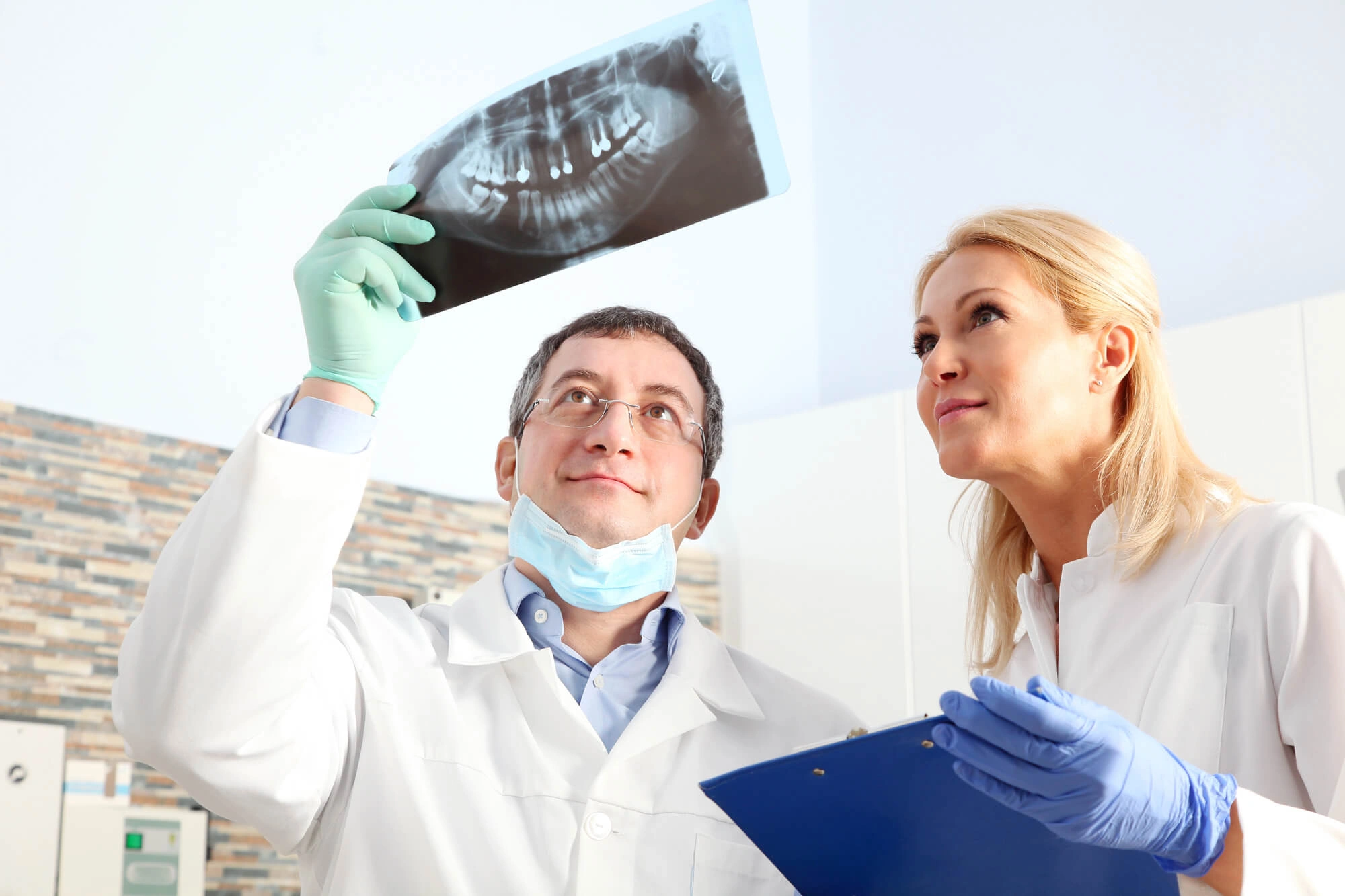
Regular dental exams and x-rays help dentists identify oral health problems early, even when they are not causing noticeable symptoms. Dental exams and x-rays give your dental team a clearer understanding of your teeth, gums, and supporting structures, allowing potential concerns to be monitored and treated promptly.

How Dental Exams Protect Your Oral Health
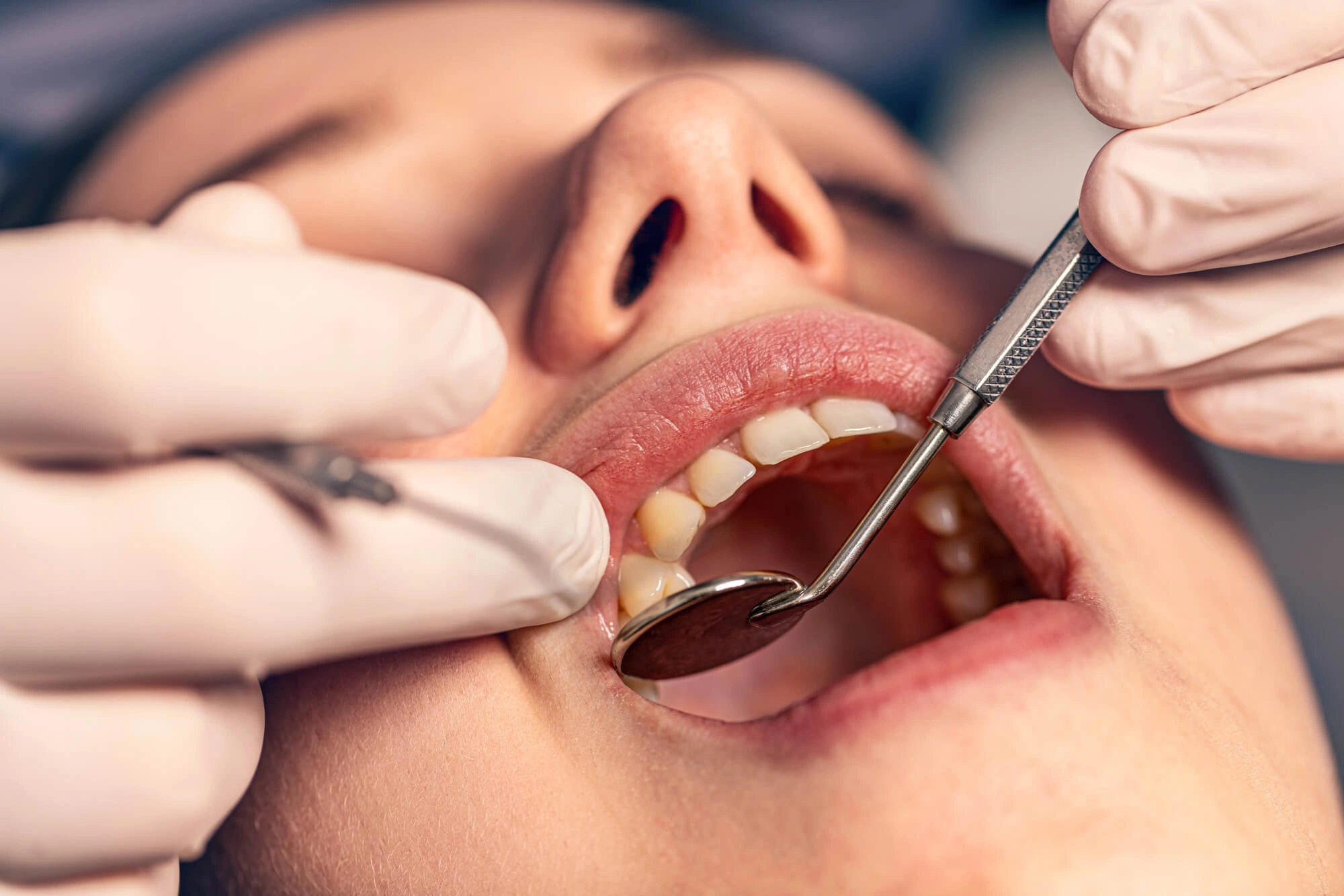
A dental exam involves more than simply checking whether you have cavities. During a routine appointment, your dentist evaluates your teeth, gums, bite, and other areas of your mouth for signs of developing problems.
Some dental concerns may not cause pain or visible symptoms during their early stages. Regular examinations give your dentist an opportunity to identify changes before they become more advanced.
Detecting Tooth Decay Early
Cavities can begin as small areas of decay and gradually become larger if they are not treated. Early detection may allow your dentist to address the problem with a simpler restoration while preserving more of the natural tooth.
Dental examinations can also identify cracked, worn, chipped, or otherwise damaged teeth that may require attention.
Checking Your Gums and Supporting Structures
Your dentist can examine your gums for signs of inflammation, infection, or periodontal disease. Early gum problems may be easier to manage than advanced disease, which can affect the tissues and bone supporting your teeth.
Routine examinations also allow your dentist to monitor existing dental work, such as fillings, crowns, or bridges, to ensure they continue to function properly.
Why Dental X-Rays Are Important
While a visual examination can reveal many problems, some areas of the mouth cannot be fully evaluated by simply looking at the teeth and gums. Dental x-rays provide images of structures beneath and between the teeth, giving your dentist additional information.
X-rays may help identify:
- Cavities between teeth
- Problems beneath existing restorations
- Changes in the jawbone
- Impacted or developing teeth
- Certain infections or abnormalities
- Bone loss associated with gum disease
Are X-Rays Always Necessary?
Not every patient needs the same type or frequency of dental x-rays. Your dentist considers factors such as your age, oral health history, symptoms, risk of tooth decay, and previous dental treatment when deciding whether imaging is appropriate.
When x-rays are recommended, they can complement your regular examination and help your dentist make more informed decisions about your care.
How Often Should You Have Dental Exams?
The ideal schedule for dental examinations depends on your individual oral health needs. Some patients may benefit from routine visits at regular intervals, while others may require more frequent monitoring because of existing conditions or a higher risk of dental problems.
Keeping your appointments allows your dentist to compare changes over time. This ongoing monitoring can make it easier to recognize developing concerns and address them before they become more complicated.
Make Dental Exams and X-Rays Part of Your Preventive Care
Regular dental visits are an important part of protecting your smile and maintaining long-term oral health. Combining a thorough examination with appropriate imaging can help uncover problems that may otherwise go unnoticed. Smith Family Dentistry provides comprehensive dental care focused on prevention, early detection, and personalized treatment. Schedule an appointment to keep your teeth and gums healthy for years to come.