
.svg)

How Often Should You Get Your Teeth Cleaned?
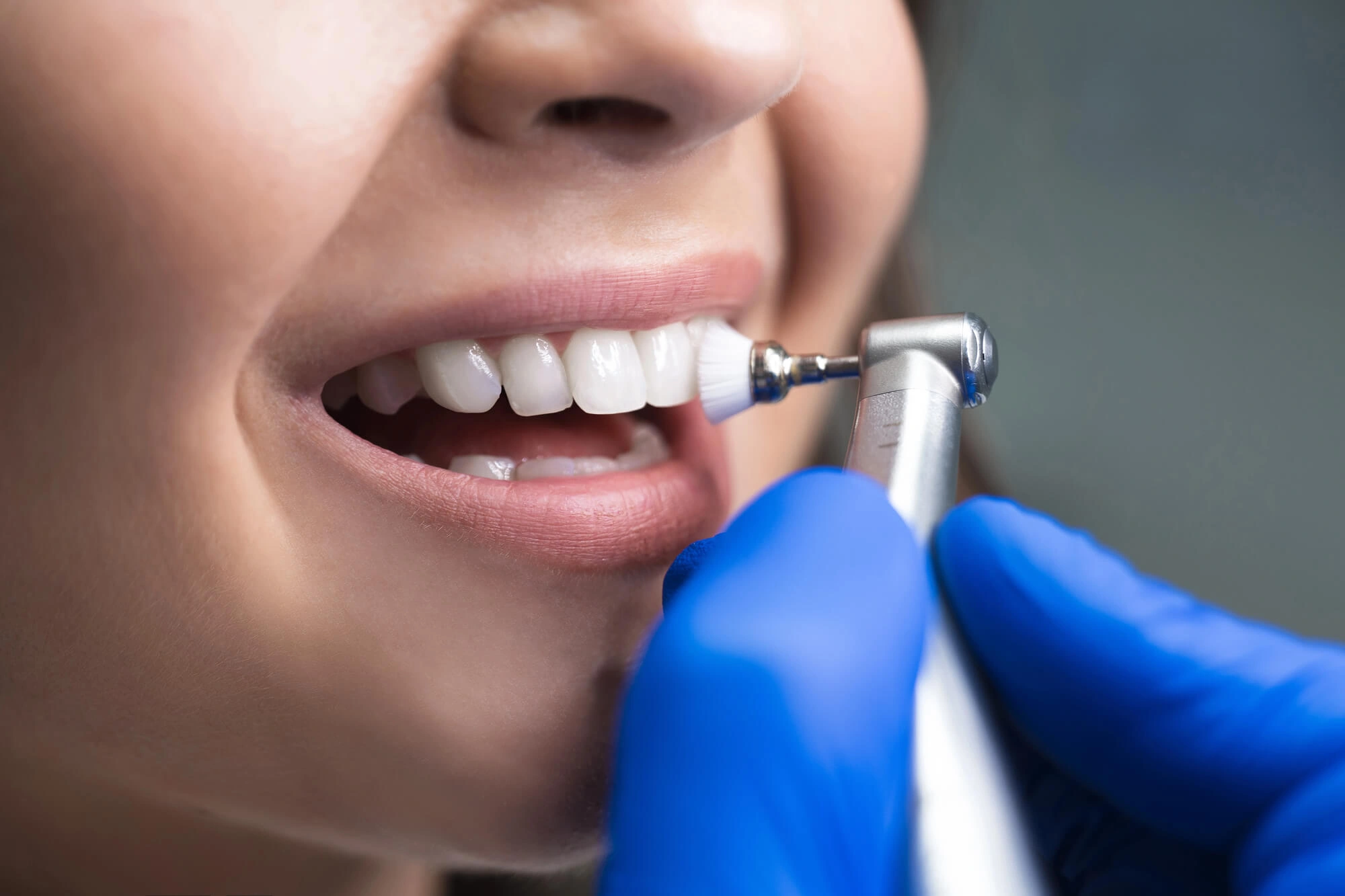
Regular professional teeth cleanings help remove plaque and tartar that brushing and flossing alone may not fully eliminate. Teeth cleaning in Randolph, NJ, can support healthier gums, reduce the risk of cavities, and help your dental team identify potential concerns early.
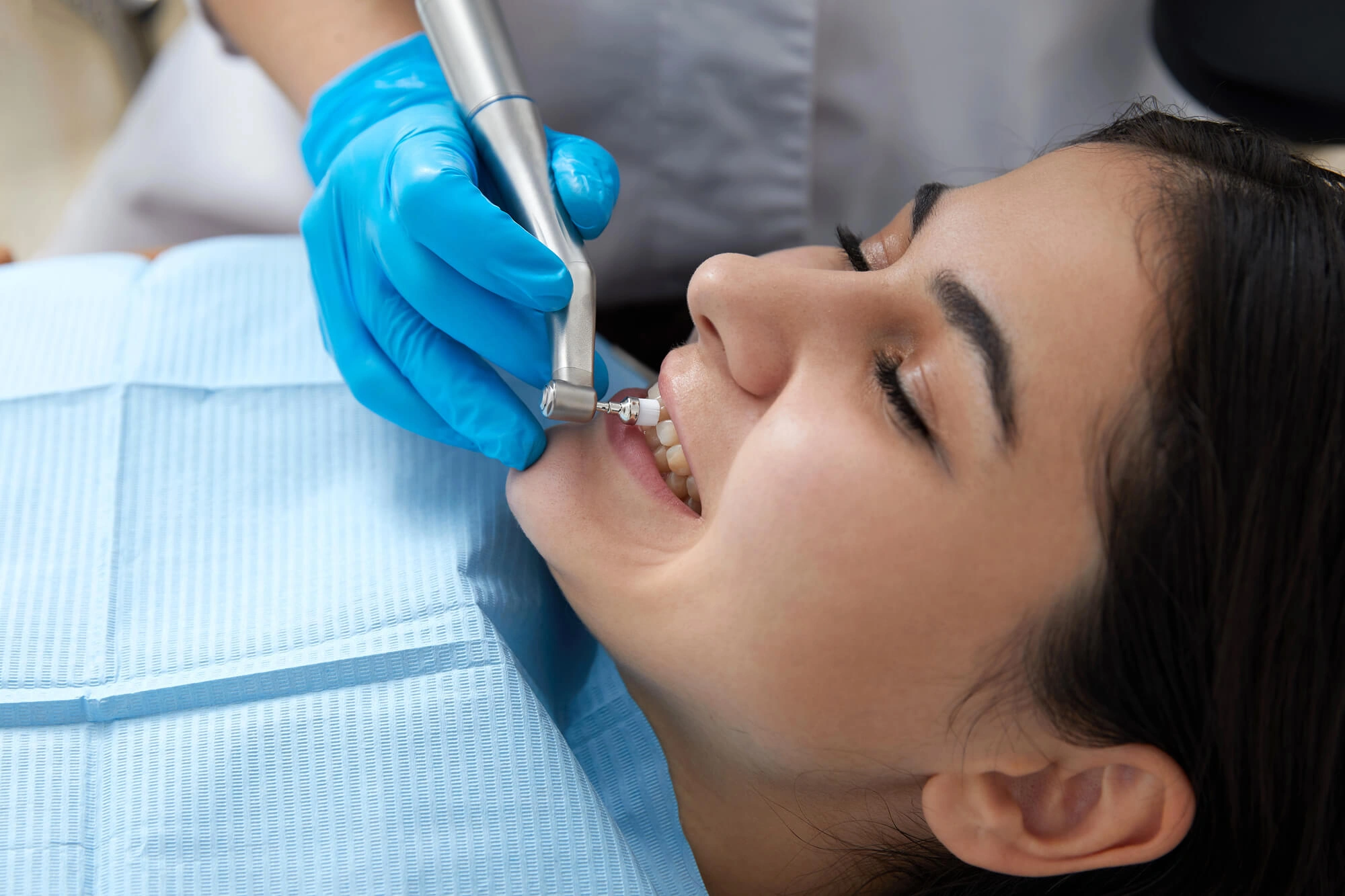
Why Regular Teeth Cleanings Matter
Daily brushing and flossing are essential for maintaining good oral hygiene, but they cannot always remove every area of buildup. Over time, plaque can harden into tartar, which cannot be effectively removed with a toothbrush alone. Professional cleanings help remove these deposits and keep your teeth and gums cleaner.
Routine cleanings can also help prevent common oral health problems. Removing plaque and tartar may lower the risk of gum inflammation, cavities, and other issues that can develop when buildup remains around the teeth. Regular appointments can also help you maintain fresh breath and a cleaner, smoother feeling throughout your mouth.
How Often Should You Schedule a Cleaning?
Many people benefit from having their teeth professionally cleaned about every six months. However, your recommended schedule may vary depending on your oral health, gum condition, dental history, and risk factors.
Some patients may need more frequent appointments if they have a history of gum disease, significant tartar buildup, or difficulty maintaining their oral hygiene at home. Your dentist can recommend a cleaning schedule based on your individual needs and help you understand how often you should return for preventive care.
Signs You May Need a Cleaning
Do not always wait for your next routine appointment if you notice changes in your mouth. Signs that it may be time for a professional cleaning can include:
- Persistent bad breath
- Bleeding or swollen gums
- Visible tartar near the gumline
- Increased tooth sensitivity
- Rough or fuzzy-feeling teeth
- Staining or buildup that does not improve with brushing
These symptoms do not always mean you have a serious dental problem, but they are worth discussing with your dental team. Addressing changes early can make it easier to maintain good oral health and prevent minor concerns from becoming more complicated.
What Happens During a Professional Cleaning?
A dental cleaning typically involves examining the teeth and gums before removing plaque and tartar with professional instruments. The teeth may then be polished to help remove surface stains and leave them feeling smoother.
Your dentist or dental hygienist may also discuss brushing, flossing, and other oral hygiene habits. Regular appointments provide an opportunity to identify concerns and recommend additional care when necessary. Depending on your needs, your dental team may also recommend additional preventive measures to protect your teeth and gums between visits.
How Can You Maintain Clean Teeth Between Visits?
Good home care is an important part of maintaining the benefits of professional cleanings. Brush twice a day with fluoride toothpaste, clean between your teeth daily, and limit frequent consumption of sugary foods and drinks.
Regular dental visits should complement—not replace—your daily oral hygiene routine. Keeping both habits consistent can help support your teeth and gums over time. Drinking water throughout the day and replacing your toothbrush when the bristles become worn can also support your everyday oral hygiene routine.

Schedule Your Appointment for Teeth Cleaning in Randolph, NJ for a Healthier Smile
Regular professional cleanings are an important part of preventive dental care. If you are due for an appointment, Dr. Edward J. Smith can help you maintain a cleaner, healthier smile through personalized dental care. Schedule your appointment today.