
.svg)

How Botox Can Help Relieve TMJ Pain and Headaches
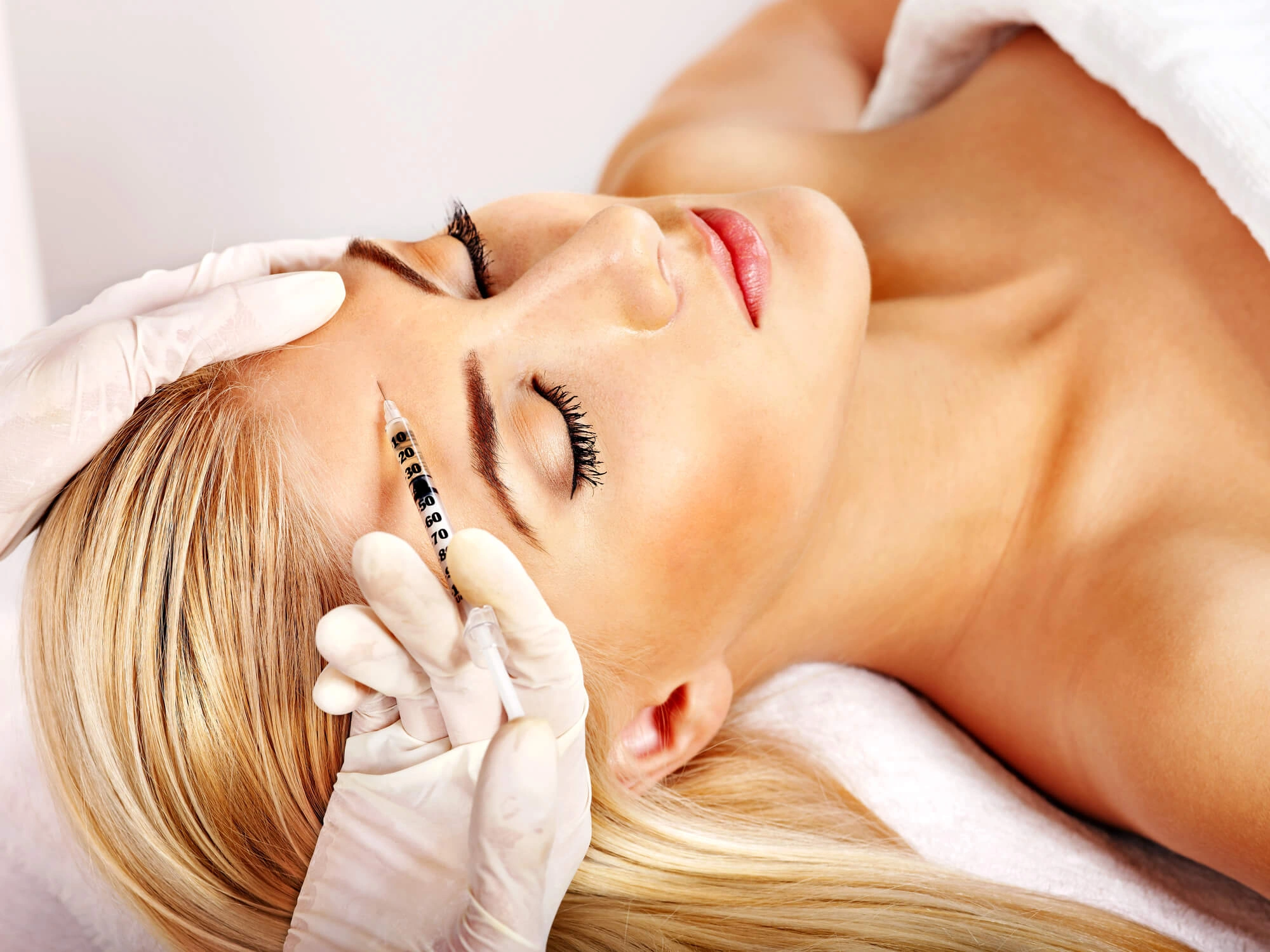
Botox Treatment isn't just for reducing fine lines and wrinkles. It can also provide relief for people suffering from TMJ disorders and chronic headaches caused by muscle tension. Through Cosmetic Dentistry in Randolph, NJ, patients may discover a minimally invasive way to ease discomfort, improve jaw function, and enhance their quality of life.

How Does Botox Help With TMJ Disorders?
The temporomandibular joints connect your lower jaw to your skull and allow you to chew, speak, yawn, and move your mouth comfortably. When these joints or the surrounding muscles become strained, patients may develop temporomandibular joint disorder, commonly known as TMJ or TMD.
TMJ disorders can be caused by several factors, including teeth grinding, jaw clenching, stress, arthritis, or bite imbalances. Over time, constant muscle activity can lead to pain and inflammation that affect daily life.
Botox works by temporarily relaxing overactive muscles. By reducing excessive contractions in the jaw muscles, it helps minimize the tension that contributes to TMJ-related discomfort.
Benefits of Botox for Jaw Pain and Muscle Tension
Patients seeking relief from TMJ symptoms often turn to conservative treatments first. However, when muscle tension continues to cause pain, Botox may provide additional support.
Potential benefits include:
- Reduced jaw pain and soreness
- Relief from facial muscle tightness
- Less discomfort while chewing
- Improved jaw mobility
- Decreased jaw clenching and grinding
- Reduced strain on the temporomandibular joints
Although Botox is not considered a cure for TMJ disorders, it can be an effective part of a comprehensive treatment approach tailored to each patient's needs.
Can Botox Help Relieve Headaches?
Many individuals with TMJ disorders also struggle with recurring headaches. Excessive tension in the jaw and facial muscles can radiate pain into the temples, forehead, neck, and shoulders. In some cases, chronic clenching and grinding may trigger tension headaches or worsen existing symptoms.
By targeting the muscles responsible for these repetitive movements, Botox may reduce the frequency and severity of headaches associated with TMJ dysfunction. Patients often notice that as muscle tension decreases, headache episodes become less disruptive to their daily routines.
What Happens During Botox Treatment?
Botox treatment is relatively quick and minimally invasive. During the appointment, small amounts of the medication are carefully injected into specific muscles involved in clenching and tension.
Most patients tolerate the procedure well and can return to normal activities shortly afterward. While results vary from person to person, many individuals begin noticing improvements within a few days, with full effects developing over the following weeks.
Because the effects of Botox are temporary, follow-up treatments may be recommended to maintain symptom relief over time.
Who May Be a Good Candidate for Botox?
You may benefit from Botox treatment if you:
- Experience chronic jaw pain or tightness
- Frequently grind or clench your teeth
- Suffer from tension-related headaches
- Have persistent TMJ symptoms despite other treatments
- Want a minimally invasive option to improve comfort
A comprehensive evaluation can help determine whether Botox is appropriate for your specific condition and goals.

Explore Relief Through Cosmetic Dentistry in Randolph, NJ
Persistent jaw discomfort and recurring headaches don't have to become part of your everyday life. Smith Family Dentistry provides personalized treatment options designed to address the underlying causes of muscle tension and TMJ-related symptoms. Schedule a consultation today to learn whether Botox may be the right step toward lasting comfort and improved well-being.